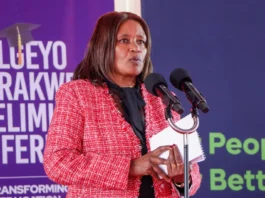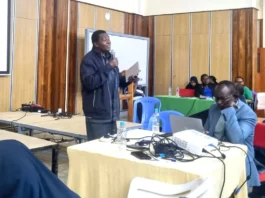
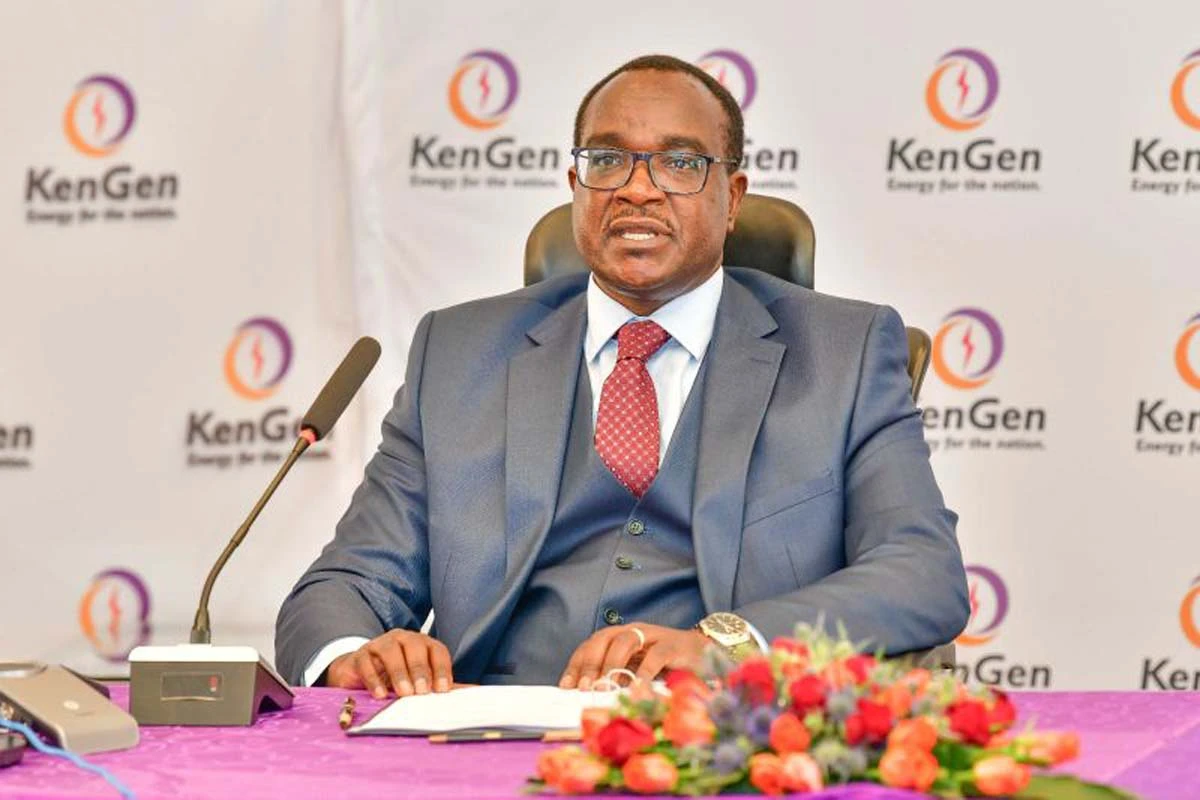
Education Cabinet Secretary Julius Ogahmba officially opened the third annual Education Assessment Symposium at New Mitihani House in South C, Nairobi, calling out for some serious and far-reaching reforms to get Kenya’s learning system in line with the demands of the modern world.
Reimagining Kenya’s Education Future – For Real This Time
The symposium, which went under the theme “Reimagining Curriculum, Pedagogy and Assessment for Inclusive, Innovative and Future-Ready Learning”, has brought all sorts of education bigwigs together – policymakers, curriculum development specialists, and teachers – to help plot a brand new course for Kenya’s education system.
Time to Shove Exams to One Side – Shifting to Competencies
When he spoke, CS Ogahmba made it clear that the time had come to seriously rethink how Kenyan kids are taught and tested, pointing out that the old model – just exams, exam, and more exams – has got to go. We need a new way of doing things that puts skills development, values formation, and actually getting real-world use out of what we learn at the top of our list.
“We need to start teaching our kids to be creative, to think for themselves, work together and tackle problems. And the way we do assessments has got to change to make sure we’re actually measuring these skills properly,” Ogahmba said.
The Government’s Long Term Plan
Ogahmba went on to say that the government is totally committed to using a Competency-Based Education (CBE) framework to drive some real change in the education system – and that means supporting teachers with new training programs, getting technology properly integrated into classrooms and making sure all teachers are up to speed with new teaching methods.
He made it clear that the government can’t do it on its own, though – transforming education in Kenya won’t happen without teachers being able to go out there and actually teach kids in this new way.
Making Sure Everyone Gets a Fair Go
He also stressed that as the reforms get implemented, that they need to be done in a way that’s inclusive – this means making sure that kids from all backgrounds, all over the country and with any kind of ability have an equal chance of getting a good education.
That’s not just some feel-good goal, either – it’s actually written into the Kenyan constitution and is part of our international obligations to get the job done on the Sustainable Development Goals – particularly the one about quality education.
Leadership: Stepping Up and Stepping Out
Attending the event was also Basic Education Principal Secretary Prof. Julius Bitok – who reinforced just how important it is to get the whole system working together, so that one thing doesn’t get done while the rest of the system is still stuck in neutral.
He said that just focusing on one bit of the education system won’t do the trick – what we need is a complete overhaul that makes sure everything is working together to produce kids who can do the things we need them to do in the 21st century.
Talking Things Through – Where the Real Work Begins
The symposium should be a really valuable chance to get some real conversation going about education – and the experts who are there say that events like this one are key to getting the education system to really respond to what’s happening in the real world and to make sure it’s working for everyone.
And What Happens Next…
The recommendations come out of the symposium will likely have a big influence on how we do things in education – stuff like how we teach and how we test, and how we make sure everyone gets a chance to do well.
And they’ll have a big say in the future of the Basic Education Curriculum Framework and the National Assessment Strategy – and that’s all about to get a big rethink.