TSC has moved to give junior secondary schools (JSS) more independence by ordering JSS teachers to be appointed as acting Deputy Principals. This is a big step towards junior schools being taken out of primary schools that host them.
Towards Autonomy
Every primary school hosting a junior school must appoint one JSS teacher – permanent and pensionable – to be an acting Deputy Principal. County and Sub-County Directors will oversee this process and submit the names to TSC headquarters.
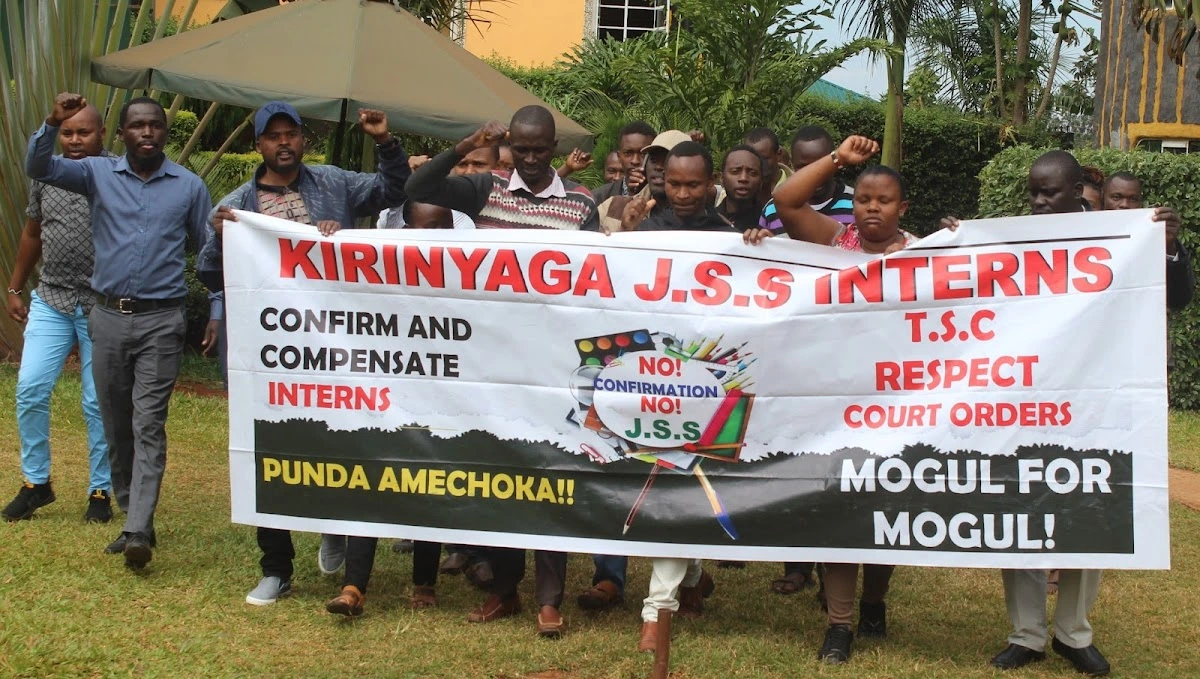
Currently, primary school headteachers are serving as acting Principals of junior schools on one year contracts from January to December 2025. JSS teachers have been complaining of poor management, corruption and lack of understanding of the junior school curriculum from the primary school heads. Many JSS teachers see this as a long awaited recognition of their profession and a step towards full autonomy.
Debate on Junior School Independence
The demand for junior schools to be managed independently has been a contentious issue in Kenya’s education sector. The Presidential Working Party on Education Reforms (PWPER) had proposed to merge nursery, primary and junior schools into one unit called a “comprehensive school”. However this has not been adopted and education officials have warned schools against using the term.
Unions and associations like Kenya Union of Post-Primary Education Teachers (Kuppet) and Kenya Association of Junior School Teachers (KAJST) have been pushing for junior schools to be recognized as a distinct tier. They argue that being managed under primary school structures undermines the professional growth and career progression of JSS teachers, many of whom are trained as graduate secondary school educators.
“Promotions and supervision under primary-level administrators who in most cases lack the qualifications to teach in junior schools is unfair and demoralizing,” said KAJST chairperson James Odhiambo.
Kuppet Deputy Secretary-General Moses Nthurima questioned the legal basis of the “comprehensive school” model. According to him, the Competency-Based Curriculum (CBC) places JSS within the high school framework, making it inconsistent to treat them as extensions of primary schools.
Mixed Reactions From StakeholdersNot all stakeholders agree with the push for autonomy. Kenya National Union of Teachers (KNUT) Secretary-General Collins Oyuu defended primary school administrators saying many headteachers are graduates with leadership experience. He said leadership is more than academic qualifications and dismissed autonomy as “activism”.
Oyuu pointed to the task force recommendations which had two divisions in basic education: comprehensive schools (Grades 1–9) and senior schools (Grades 10–12). He said the matter was already settled and teachers should respect the reforms.